
Buying a salvage title car in 2026 can offer major savings and make higher-end vehicles more affordable, but it also comes with important risks that buyers should understand before making a decision. Salvage vehicles often cost significantly less than comparable clean-title models, yet factors like hidden damage, insurance limitations, financing challenges, and lower resale value can impact long-term ownership. For some drivers, especially those planning to keep a vehicle long term or looking for a budget-friendly commuter, a salvage title vehicle may provide real value when carefully inspected and properly repaired.
At Vista Motors, we proudly serve drivers from Ontario, Montclair, Upland, and Pomona with a wide selection of quality used vehicles and a transparent buying experience. For more than 15 years, our team has helped customers with everything from vehicle sales and financing to service and automotive support. Contact or visit Vista Motors today to learn more about your options and find a vehicle that fits your needs and budget.
Understanding Salvage Title Vehicles in 2026
Buying a salvage title vehicle can be an appealing option for drivers looking to save money, especially as vehicle prices continue to rise in 2026. Salvage vehicles are often priced significantly below comparable clean-title models, giving buyers access to newer features, higher trim levels, or larger vehicles that may otherwise fall outside their budget. However, lower pricing also comes with added responsibility, since repair quality, vehicle history, and long-term reliability can vary greatly from one vehicle to another.
For many shoppers near Ontario and surrounding areas, the biggest question is whether the savings outweigh the risks. The answer often depends on how the vehicle will be used, how long the buyer plans to keep it, and whether they are comfortable handling potential repair or insurance challenges down the road.
Understanding What a Salvage Title Means
A salvage title is typically issued when an insurance company determines that repairing a damaged vehicle would cost more than a large percentage of its market value. Damage can result from accidents, flooding, theft recovery, hail, or other major incidents. Not every salvage vehicle is the same. Some may have experienced cosmetic damage and been repaired professionally, while others could still have hidden mechanical or structural issues.
Common reasons a vehicle may receive a salvage title include:
- Collision damage
- Flood or water damage
- Theft recovery
- Fire damage
- Severe weather incidents
Because repair quality can vary so widely, buyers should always inspect salvage vehicles carefully before purchasing.
Why Some Buyers Consider Salvage Vehicles
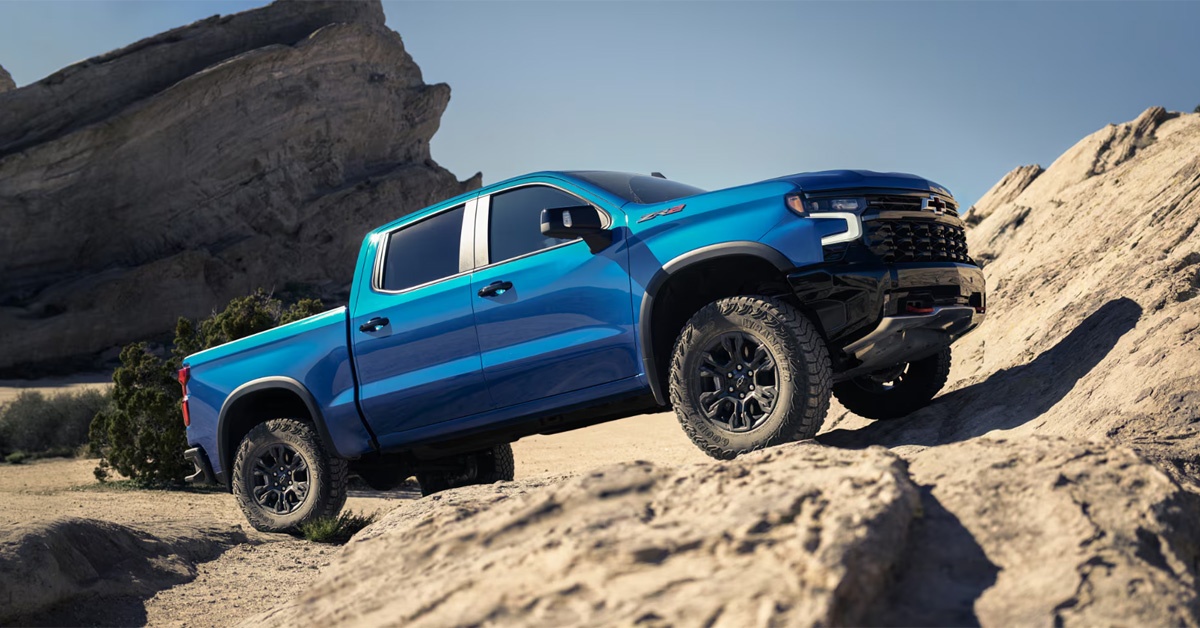
The biggest advantage of salvage vehicles is affordability. Many buyers are drawn to the possibility of purchasing a newer vehicle or a more capable model at a substantially lower price. For example, a shopper searching for a Chevrolet Silverado 1500 may find that a salvage-title truck costs thousands less than a similar clean-title version. That lower entry price can make a full-size truck more accessible for work, commuting, or family needs.
Salvage vehicles may appeal to buyers who:
- Want lower upfront costs
- Plan to keep the vehicle long term
- Have mechanical knowledge or repair experience
- Need an affordable commuter vehicle
- Care less about future resale value
In some cases, buyers researching the Pros and Cons of Buying a Salvage Title Car vs competitor options discover that the value depends heavily on the specific vehicle’s repair history rather than simply the title itself.
Important Risks Buyers Should Not Ignore
While lower pricing can be attractive, salvage vehicles often carry additional risks that clean-title vehicles may not have. Some problems may not appear immediately and could become more expensive over time.
Potential concerns may include:
- Hidden frame or structural damage
- Electrical system issues
- Airbag or safety system problems
- Limited financing options
- Difficulty obtaining full insurance coverage
- Lower long-term resale value
A vehicle may look fully repaired on the surface while still having underlying issues that affect safety or reliability. That is why professional inspections and vehicle history reports are so important during the buying process.
Making a Smarter Buying Decision
Salvage title vehicles are not automatically bad purchases, but they do require more research and caution than traditional used cars. Buyers who carefully inspect the vehicle, review repair records, and understand the long-term trade-offs may find worthwhile opportunities at a lower price point. Drivers near Montclair, Upland, and Pomona can visit Vista Motors to explore a wide selection of used vehicles and speak with a knowledgeable team about financing, vehicle history, and available inventory.
What a Salvage Title Means
A salvage title is issued when an insurance company determines that a vehicle has sustained enough damage that repair costs exceed a large percentage of the vehicle’s market value. In many cases, the vehicle may still be repairable and drivable, but its title history permanently reflects that major damage occurred at some point in its lifespan. For buyers shopping near Ontario or surrounding communities, understanding the meaning behind a salvage title is one of the most important parts of making a smart used vehicle purchase. Not every salvage vehicle has the same history, and the severity of prior damage can vary dramatically from one vehicle to another.
Common Reasons a Vehicle Receives a Salvage Title
A vehicle may receive a salvage title for several different reasons, including:
- Major collision damage
- Flood or water exposure
- Theft recovery damage
- Fire damage
- Severe hail or weather damage
In some situations, insurance companies may total a vehicle even when the damage appears mostly cosmetic. In other cases, structural or mechanical damage may be far more serious than what is visible on the surface.
Salvage Title vs Rebuilt Title
Many buyers confuse salvage titles with rebuilt titles, but there is an important difference between the two. A salvage title generally means the vehicle has been declared a total loss and has not yet completed the rebuilding and inspection process. A rebuilt title usually indicates that the vehicle has been repaired and inspected according to state requirements before returning to the road legally. That distinction matters because repair quality can vary widely. Some rebuilt vehicles may perform reliably for years, while others could still have hidden issues related to previous damage.
Why Vehicle History Matters So Much
When reviewing the pros and cons of buying a salvage title car comparison options, one of the biggest factors is understanding exactly what happened to the vehicle before repairs were made.
Buyers should carefully review:
- Vehicle history reports
- Repair documentation
- Inspection records
- Photos of prior damage if available
- Service and maintenance records
A thorough review can help buyers identify whether the vehicle was repaired professionally or whether potential concerns may still exist beneath the surface.
Some Salvage Vehicles Still Attract Strong Buyer Interest
Despite the risks, salvage vehicles remain attractive to many budget-conscious buyers because of the significant cost savings involved. Trucks, SUVs, and higher-priced vehicles are especially common in the salvage market because repair costs on larger vehicles can become expensive quickly. For example, a shopper searching for a Chevrolet Silverado 1500 may come across salvage-title options priced far below comparable clean-title trucks. For buyers comfortable with inspections and long-term ownership, those lower prices can create opportunities that may not otherwise fit their budget.
Taking a Careful Approach Before Buying
A salvage title does not automatically mean a vehicle is unsafe or unreliable, but it does mean buyers should proceed carefully and ask detailed questions before making a purchase. Independent inspections, professional evaluations, and transparent documentation are all essential parts of the buying process. Drivers near Montclair, Upland, and Pomona can visit Vista Motors to explore used vehicle options and speak with a knowledgeable team about vehicle history, financing, and ownership considerations.
Why Salvage Title Cars Are Usually Cheaper
One of the biggest reasons buyers consider salvage title vehicles is the lower purchase price. In many cases, salvage-title cars cost significantly less than comparable clean-title vehicles, sometimes by thousands of dollars. That price difference can make newer models, higher trim levels, and larger vehicles more accessible to buyers working within a tighter budget. For drivers near Ontario and surrounding areas, affordability often plays a major role in the vehicle-shopping process. Rising vehicle prices and higher financing costs have pushed many buyers to look at alternative options, including salvage-title vehicles that may offer more features for less money upfront.
Insurance History Impacts Vehicle Value
Once a vehicle receives a salvage title, its market value immediately drops because the title history permanently reflects major prior damage. Even if repairs are completed professionally, and the vehicle performs well afterward, many buyers remain cautious about long-term reliability and resale value. That reduced demand is one of the main reasons salvage vehicles are priced lower than clean-title alternatives.
Several factors contribute to the lower pricing:
- Prior accident or damage history
- Reduced resale value
- Limited financing options
- Insurance coverage challenges
- Buyer concerns about hidden problems
Because of those concerns, sellers often price salvage vehicles aggressively to attract interested buyers.
Lower Prices Can Open New Opportunities
For some buyers, the savings involved can create opportunities that would otherwise be financially unrealistic. Instead of purchasing an older, clean-title vehicle with higher mileage, some shoppers choose a newer, salvage-title model with upgraded features at a similar price point. For example, someone shopping for a Chevrolet Silverado 1500 may discover that a salvage-title truck fits their budget more comfortably than a clean-title version with similar features. That difference can be especially appealing for buyers needing truck capability for work, towing, or daily driving without stretching their finances too far.
The Savings Come With Trade-Offs
Although the lower pricing can look attractive at first, buyers should always balance those savings against the potential risks involved. A vehicle with a lower purchase price may still require future repairs, additional inspections, or more effort when securing financing and insurance coverage. When researching the Pros and Cons of Buying a Salvage Title Car comparison options, buyers should focus on the full ownership picture rather than price alone.
Important factors to consider include:
- Long-term repair costs
- Insurance availability
- Vehicle inspection results
- Financing limitations
- Future resale potential
A lower sticker price may save money initially, but hidden issues could increase ownership costs later if the vehicle was not repaired properly.
Some Buyers Benefit More Than Others
Salvage-title vehicles often make the most sense for drivers planning to keep the vehicle long term or buyers comfortable handling occasional repairs. Budget-focused shoppers and mechanically experienced buyers may see stronger value in salvage vehicles than someone planning to trade or resell the vehicle within a few years.
How Financing and Insurance Can Become More Complicated
While salvage title vehicles may offer lower upfront pricing, financing and insurance are often where many buyers encounter unexpected challenges. Lenders and insurance providers usually view salvage-title vehicles as higher-risk purchases because of their damage history, reduced market value, and uncertainty surrounding long-term reliability. For buyers near Ontario and nearby communities, understanding these financial hurdles ahead of time can help prevent surprises later in the buying process.
Why Financing Can Be More Difficult
Many banks and lenders hesitate to finance salvage-title vehicles because the vehicle’s value is harder to predict compared to a clean-title vehicle. If the vehicle experiences future problems or loses additional value quickly, lenders face greater financial risk.
As a result, buyers may encounter:
- Fewer lender options
- Higher interest rates
- Larger down payment requirements
- Shorter loan terms
- Financing restrictions on older salvage vehicles
For example, someone interested in a Chevrolet Silverado 1500 with a salvage title may find that some lenders refuse financing altogether, while others may require stronger credit or additional documentation before approving the loan.
Insurance Coverage May Be Limited
Insurance companies also approach salvage-title vehicles differently than clean-title vehicles. In some cases, insurers may only offer limited coverage because of the vehicle’s previous damage history.
Potential insurance challenges may include:
- Difficulty obtaining full coverage
- Liability-only policy options
- Higher insurance premiums
- Reduced payout values after accidents
- Additional inspection requirements
Even when a vehicle has been repaired properly, insurers may still place restrictions on coverage because of concerns about future claims or unresolved structural damage.
Why Buyers Should Research Before Purchasing
One of the most important parts of evaluating the pros and cons of buying a salvage title car is understanding the total ownership cost, not just the purchase price. A vehicle that initially appears inexpensive could become less affordable if financing rates or insurance costs are significantly higher than expected.
Before purchasing a salvage-title vehicle, buyers should:
- Speak with lenders in advance
- Request insurance quotes beforehand
- Review vehicle repair documentation carefully
- Confirm whether the title is salvage or rebuilt
- Schedule an independent inspection
Taking these steps early can help buyers avoid delays and make more informed financial decisions.
Long-Term Ownership Often Matters More
Financing and insurance complications tend to affect short-term buyers more heavily than long-term owners. Buyers planning to keep the vehicle for many years may feel more comfortable accepting those trade-offs if the initial savings are substantial enough. Drivers looking for a budget-friendly work truck, commuter vehicle, or secondary family vehicle may still find value in salvage-title options when expectations are realistic and the vehicle has been inspected thoroughly.
How Resale Value Affects Long-Term Ownership
Resale value is one of the most important factors buyers should consider before purchasing a salvage-title vehicle. While the lower upfront price may create immediate savings, salvage-title vehicles almost always carry significantly lower resale value compared to clean-title vehicles, even years after repairs have been completed. Buyers planning to keep the vehicle for many years may feel less concerned about future resale value, while short-term buyers may face challenges when it comes time to sell or trade in the vehicle.
Why Salvage Vehicles Lose Value Faster
Once a vehicle receives a salvage title, that history remains permanently attached to the vehicle record. Even if repairs are completed professionally and the vehicle performs reliably, many future buyers remain cautious about potential hidden damage or long-term reliability concerns. That hesitation reduces market demand and often lowers resale prices substantially.
Several factors contribute to reduced resale value:
- Permanent salvage-title history
- Buyer concerns about prior damage
- Financing limitations for future buyers
- Insurance complications
- Smaller pool of interested shoppers
As a result, resale values for salvage-title vehicles are usually much lower than comparable clean-title models.
Long-Term Ownership Often Makes More Sense
For many salvage-title buyers, the best financial approach is planning to keep the vehicle long term rather than expecting strong resale value later. Buyers who drive their vehicle for many years may benefit more from the lower upfront purchase cost because they are spreading that savings across a longer ownership period. This is especially common among drivers searching for affordable trucks, commuter vehicles, or secondary family vehicles. For example, someone purchasing a Chevrolet Silverado 1500 with a salvage title for work or long-term personal use may care less about resale value if the truck continues performing reliably for years. In that situation, the lower purchase price may outweigh future trade-in concerns.
Short-Term Buyers May Face More Challenges
Drivers planning to resell or trade in their vehicle within a few years often face greater financial disadvantages with salvage-title vehicles.
Potential resale challenges may include:
- Lower trade-in offers
- Fewer interested buyers
- Longer selling times
- Increased buyer hesitation
- Greater scrutiny during inspections
Buyers who prioritize flexibility or regularly upgrade vehicles may find clean-title vehicles easier to manage financially in the long run.
Balancing Savings Against Future Value
One of the biggest parts of evaluating the Pros and Cons of Buying a Salvage Title Car near Ontario is deciding whether immediate savings are more valuable than future resale potential. Some buyers are comfortable sacrificing resale value in exchange for lower upfront costs, while others prefer the long-term stability of a clean-title vehicle.
Which used car is the best fit for commuting, family driving, towing, or weekend trips?
Used sedans are often best for commuting, used SUVs work well for family driving and weekend trips, and trucks like the Chevrolet Silverado 1500 are popular for towing and hauling needs.
How do used cars, used trucks, and used SUVs compare on seating, cargo space, efficiency, and available AWD or 4x4 capability?
Used cars typically offer better fuel efficiency, used SUVs provide more passenger and cargo space with available AWD, and used trucks deliver stronger towing capability with available 4x4 performance.
What safety and driver-assist features should shoppers look for across the Used lineup?
Shoppers should look for features such as blind spot monitoring, lane departure warning, rearview cameras, adaptive cruise control, parking sensors, and automatic emergency braking when shopping for used vehicles.
Which trims or packages add the most useful technology, comfort, or performance upgrades?
Higher trim levels and premium packages often add larger touchscreens, upgraded audio systems, leather seating, heated seats, advanced driver-assist technology, towing packages, and enhanced off-road or performance features.
Explore Quality Used Vehicles Near Ontario
Buying a salvage-title vehicle can make financial sense for the right buyer, especially when long-term ownership, affordability, and vehicle history are carefully considered. The key is understanding the balance between upfront savings and potential long-term trade-offs involving financing, insurance, repairs, and resale value. Taking the time to inspect the vehicle properly and review its history can help buyers make a more confident decision.
At Vista Motors, drivers from Ontario, Montclair, Upland, and Pomona can shop a wide selection of quality used vehicles, including the Chevrolet Silverado 1500 and many other trucks, SUVs, and commuter-friendly models. Our experienced team is here to help you compare financing options, review vehicle history information, and find a vehicle that fits both your budget and driving needs.
Drivers researching used vehicle ownership can also continue browsing topics like used car mileage, car buying tips, and vehicle upgrades for additional guidance before making a purchase decision. From financing assistance to vehicle selection, Vista Motors is committed to making the buying experience as smooth and transparent as possible. Contact or visit our dealership today to get started.
Contact Vista Motors
Get Directions to Vista Motors
Disclaimer: All information is provided for general informational and entertainment purposes only. While we strive for accuracy, we cannot guarantee that all content is complete, current, or error-free. Any reliance you place on such information is strictly at your own risk. This article may include opinions and is not endorsed by, or officially affiliated with, any vehicle manufacturer or brand. Always consult official sources – such as the vehicle’s owner’s manual, authorized dealerships, or certified professionals – for the most up-to-date and personalized information.